Dressing Yourself Up: The Archive of Anne, Countess of Rosse
What can a wardrobe tell us about a life?
The clothes we wear can communicate identity, reflect our surroundings and become attached to memories of particular people and places. But when those clothes survive beyond their original owner, their meanings are not always straightforward. Garments may be accompanied by photographs, handwritten notes and personal recollections, each offering a different account of the past.
My research into the wardrobe of Anne, Countess of Rosse (1902–1992), explores these relationships through the Birr Castle Fashion and Textile Archive in County Offaly, Ireland. Bringing together surviving garments and the wider personal archive, the project considers how dress can illuminate a life, and how the stories attached to clothing shape our understanding of the people who wore it.
The Birr Castle Fashion and Textile Archive contains garments and associated material spanning several centuries, including historical dress, twentieth-century designer clothing, photographs, scrapbooks and press cuttings. Together, these materials offer more than a record of changing fashions. They preserve traces of family life, social occasions and the ways in which clothing was remembered and represented.
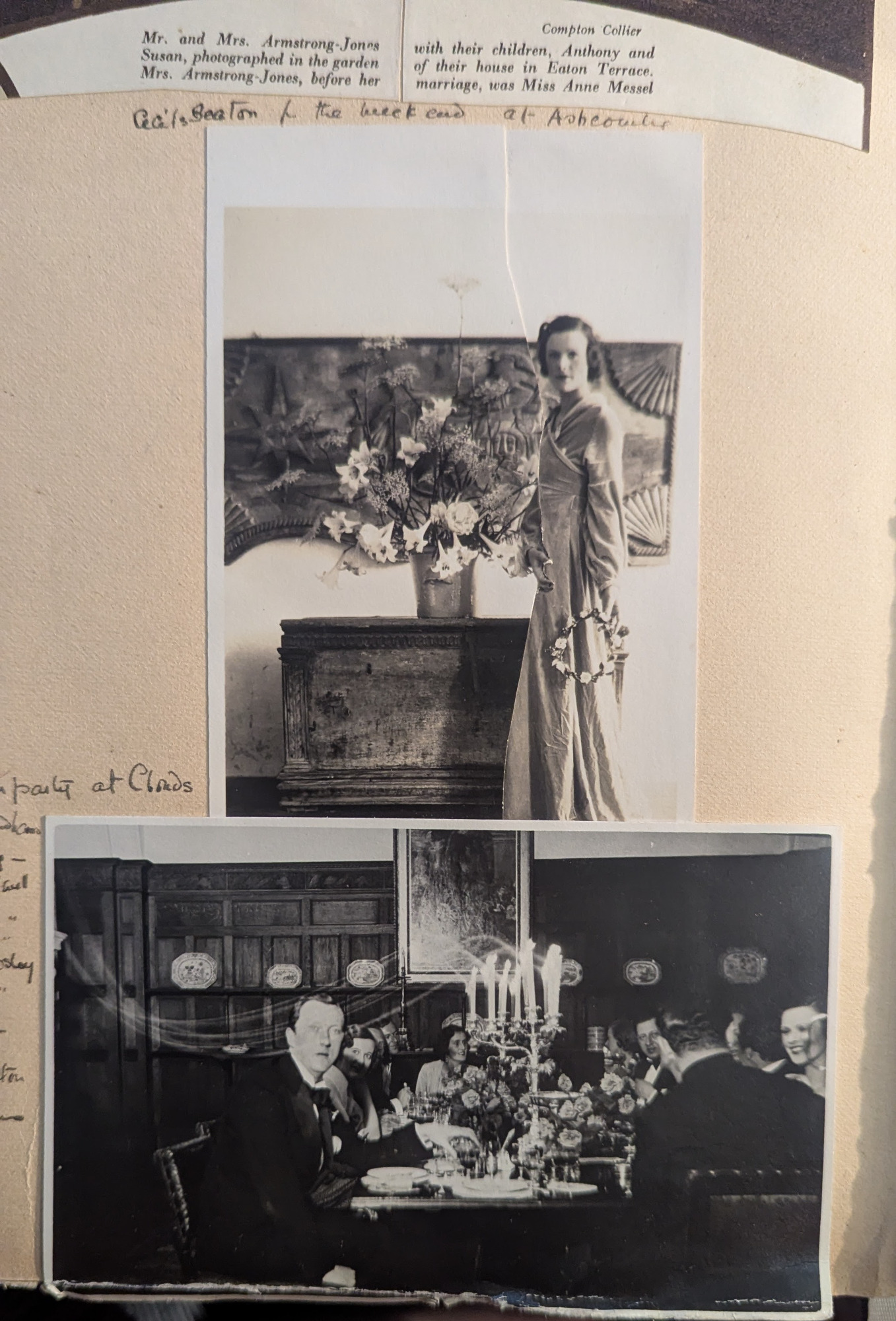
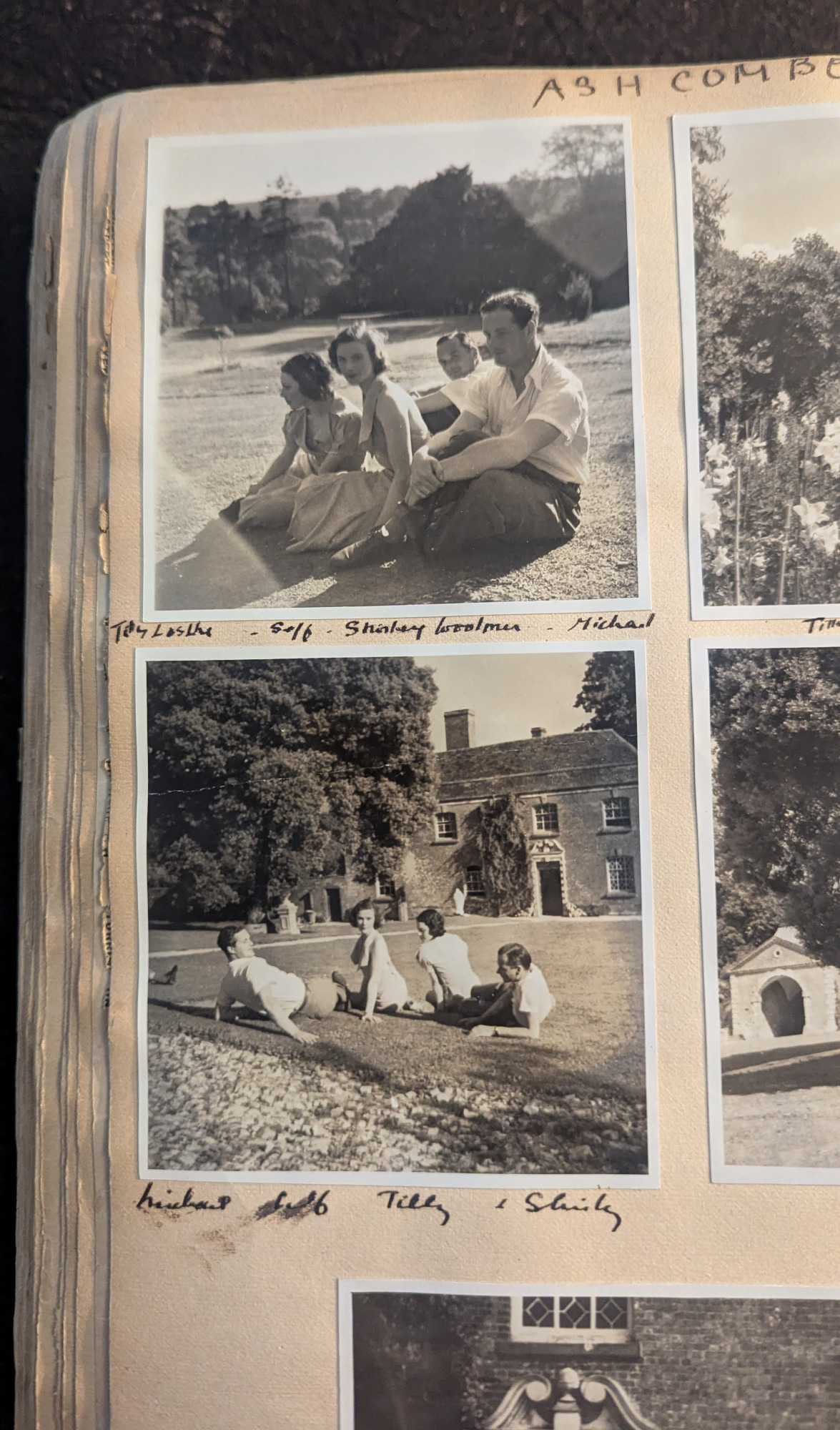
Anne's wardrobe forms part of this collection. Alongside the garments themselves, the accompanying documents provide glimpses of how she understood her clothes and the occasions with which she associated them. Her handwritten annotations and preserved press coverage can be revealing, but they also raise questions about how personal histories are recorded and maintained.
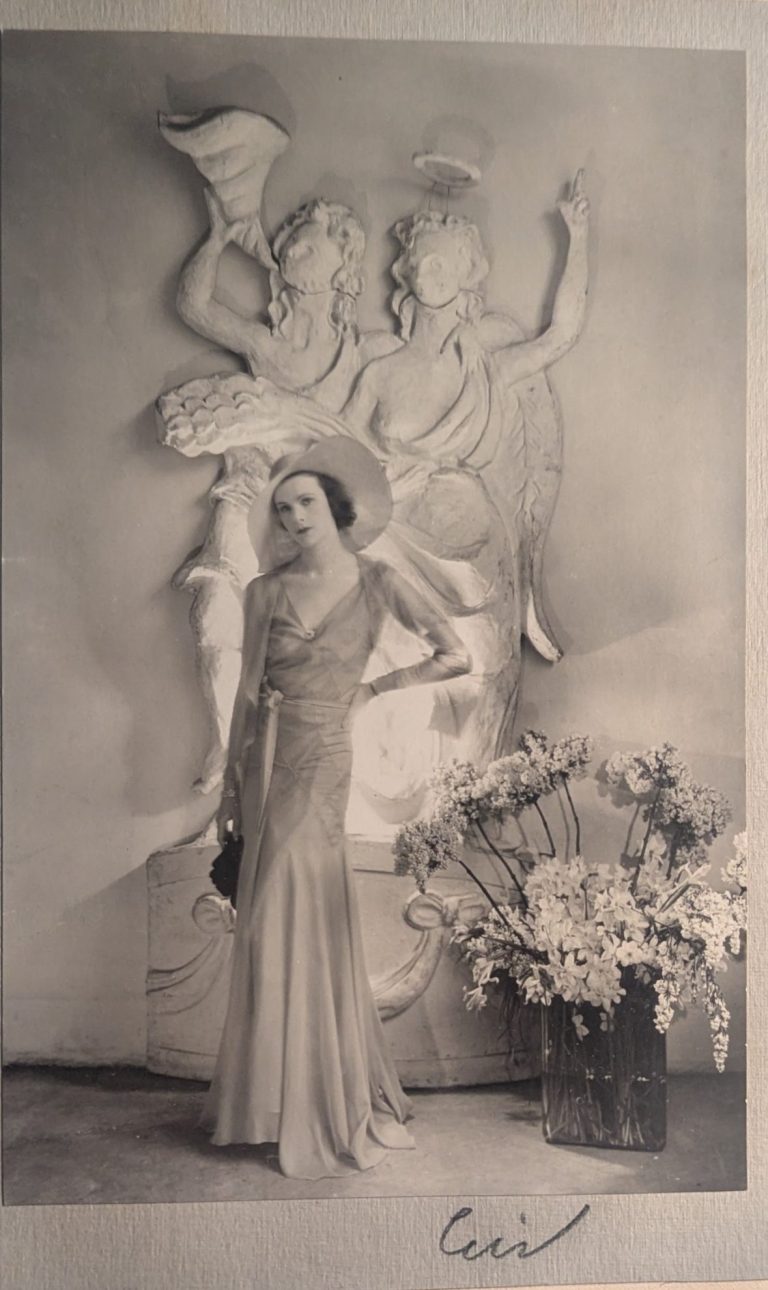
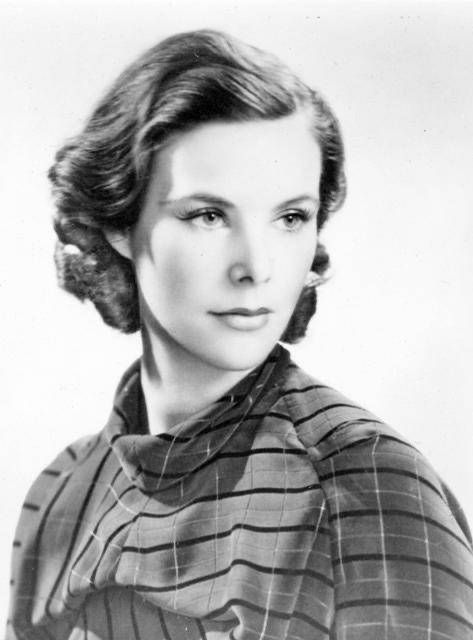
Anne photographed by Cecil Beaton, 1933
The archive extends well beyond the wardrobe. Scrapbooks, press cuttings, handwritten notes and edited photographs provide further ways of approaching Anne's life and her relationship with dress. They also invite us to consider the archive as something shaped by personal choices: what was kept, what was annotated, and which moments were given lasting significance.
By reading these materials alongside the garments, I explore both what can be recovered from a personal collection, and the limits of what it can tell us. The result is an ongoing investigation into dress as material evidence, personal expression and a means through which histories are constructed.
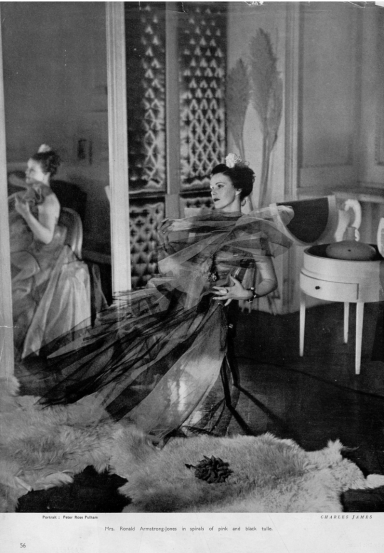
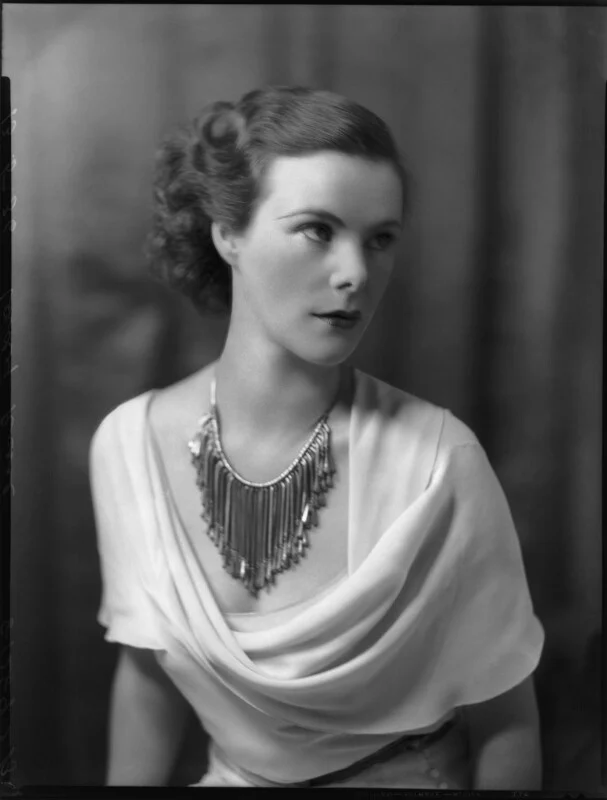
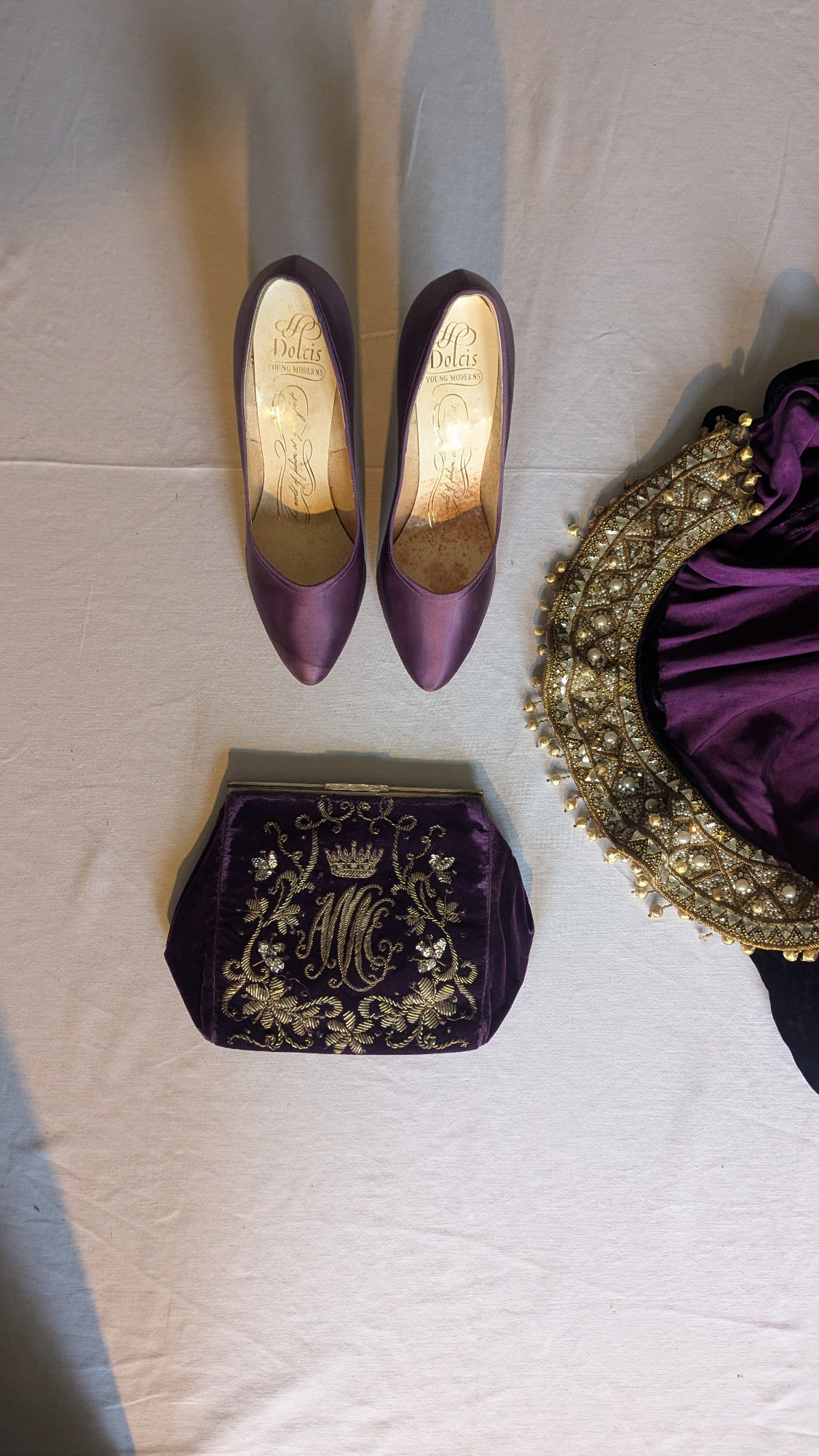
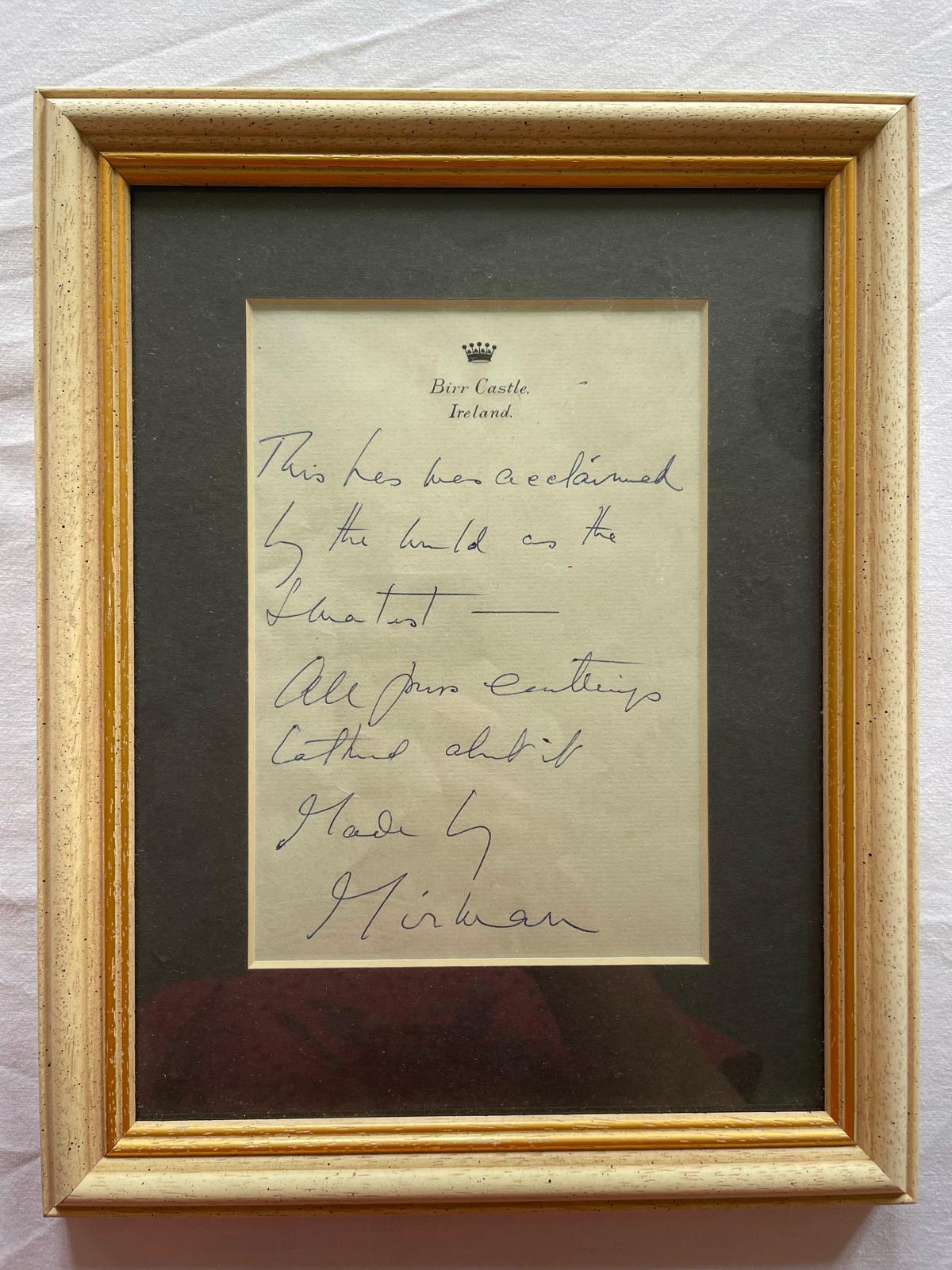
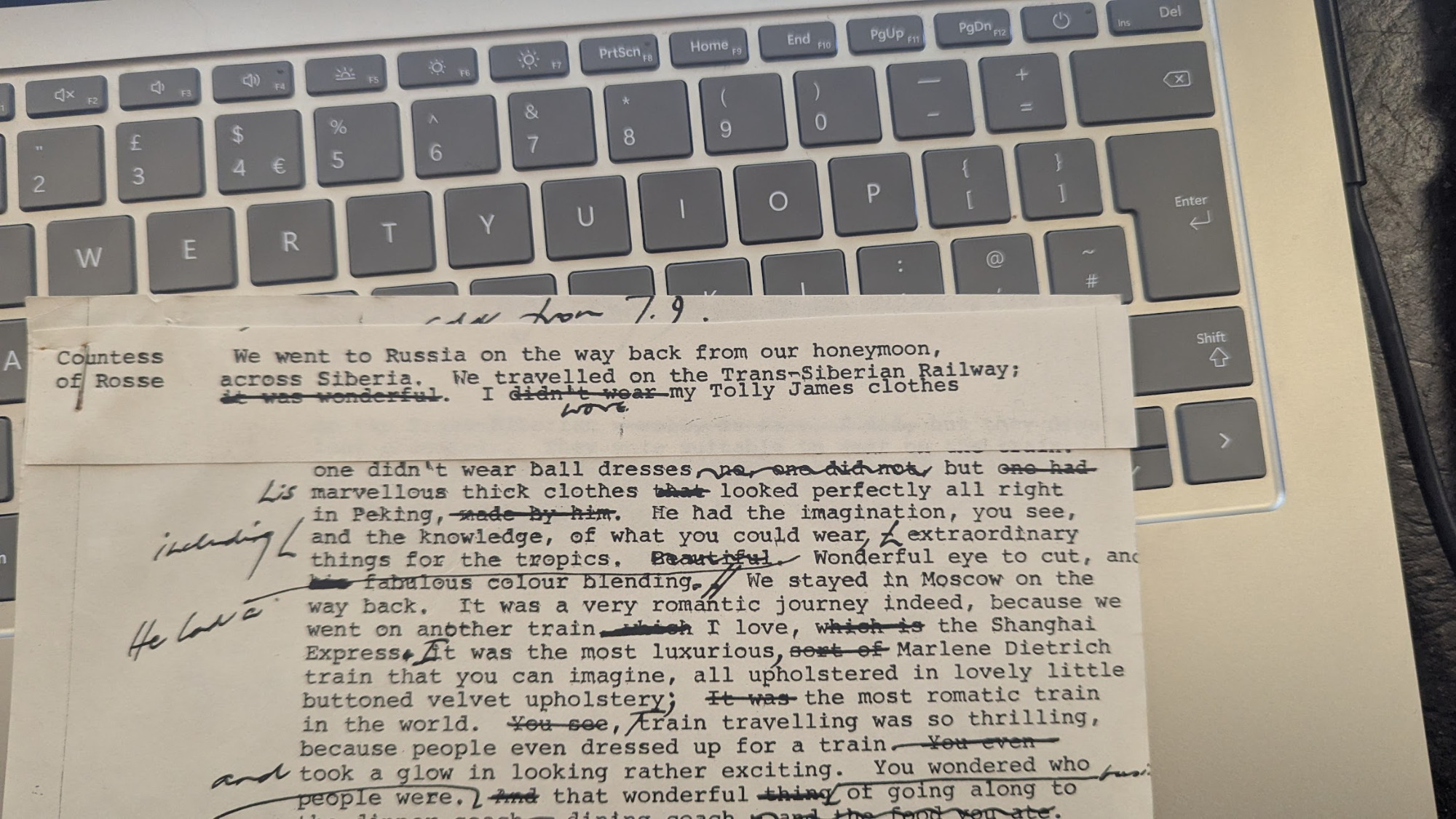
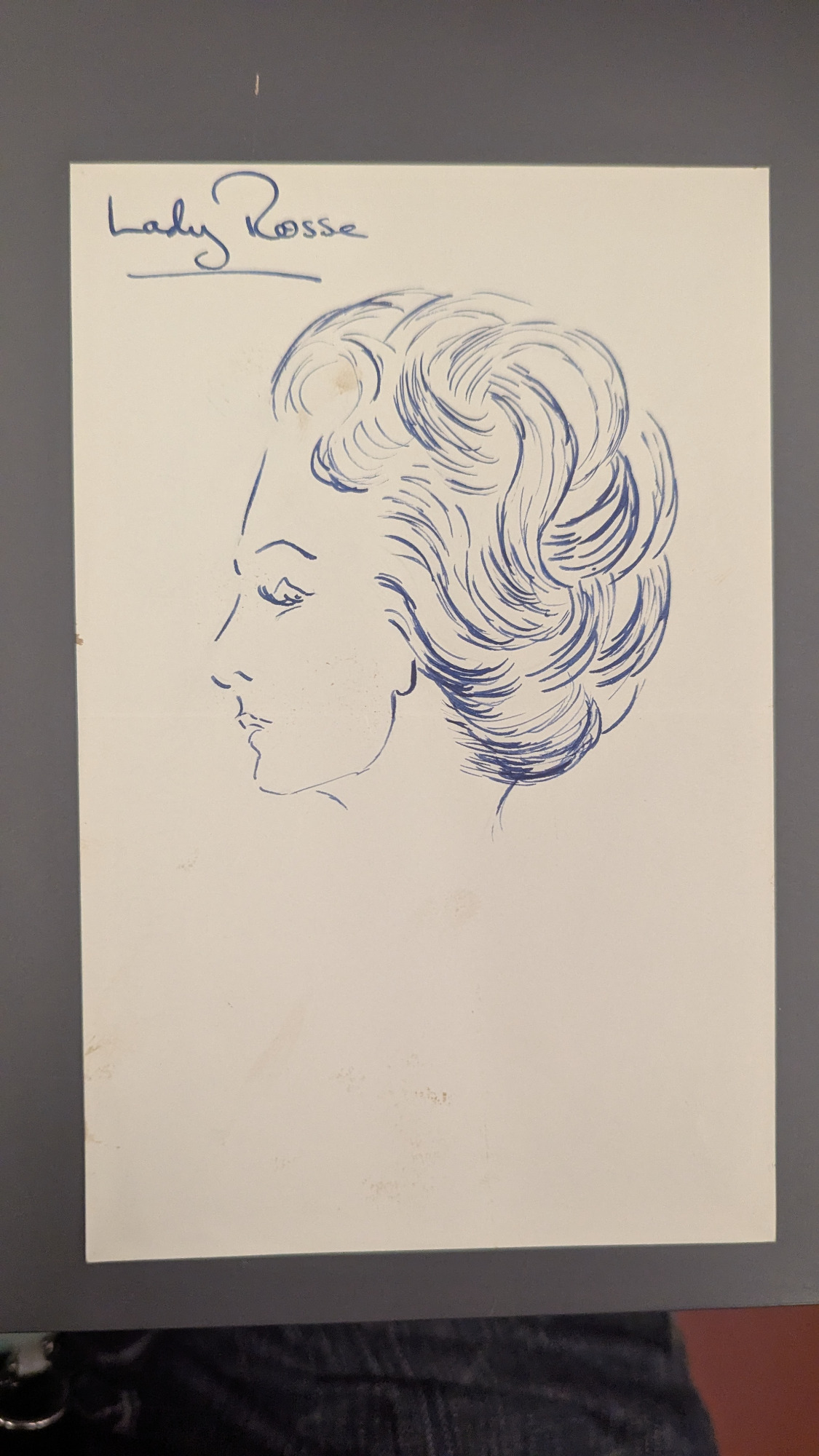
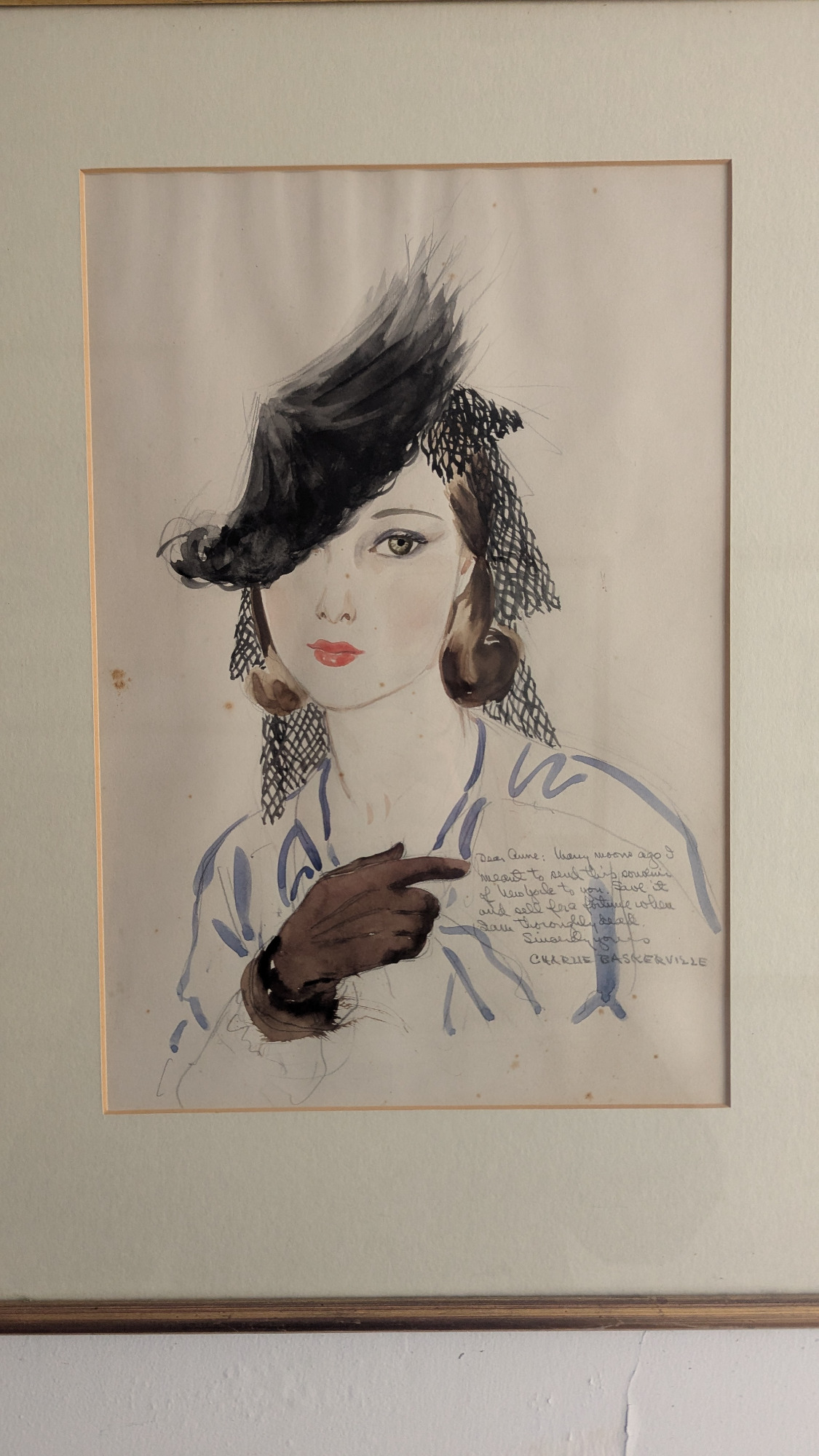
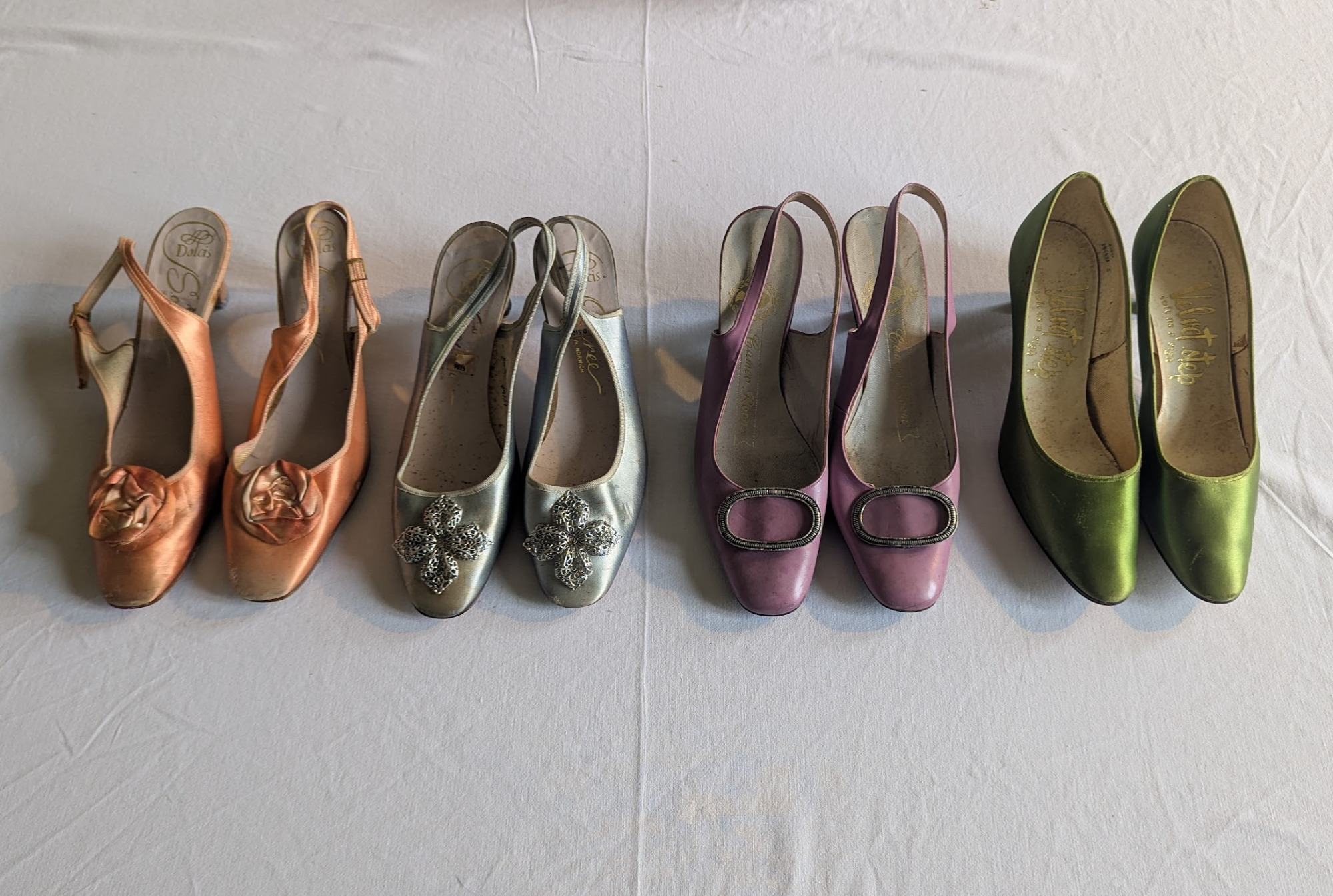
My approach combines close examination of the material object with research into the photographs, documents and narratives surrounding it. Details of construction, textile, pattern and wear can be considered alongside the evidence of how a garment was described, photographed or attributed.
The Charles James dresses in the collection provide one example of this process. Their distinctive textiles and construction invite questions about design, production and the relationship between a garment and the visual culture of its time. Comparing the surviving dresses with photographic and documentary evidence can help establish connections, while also making clear where an attribution or historical account remains uncertain.