Pattern, Print and Charles James
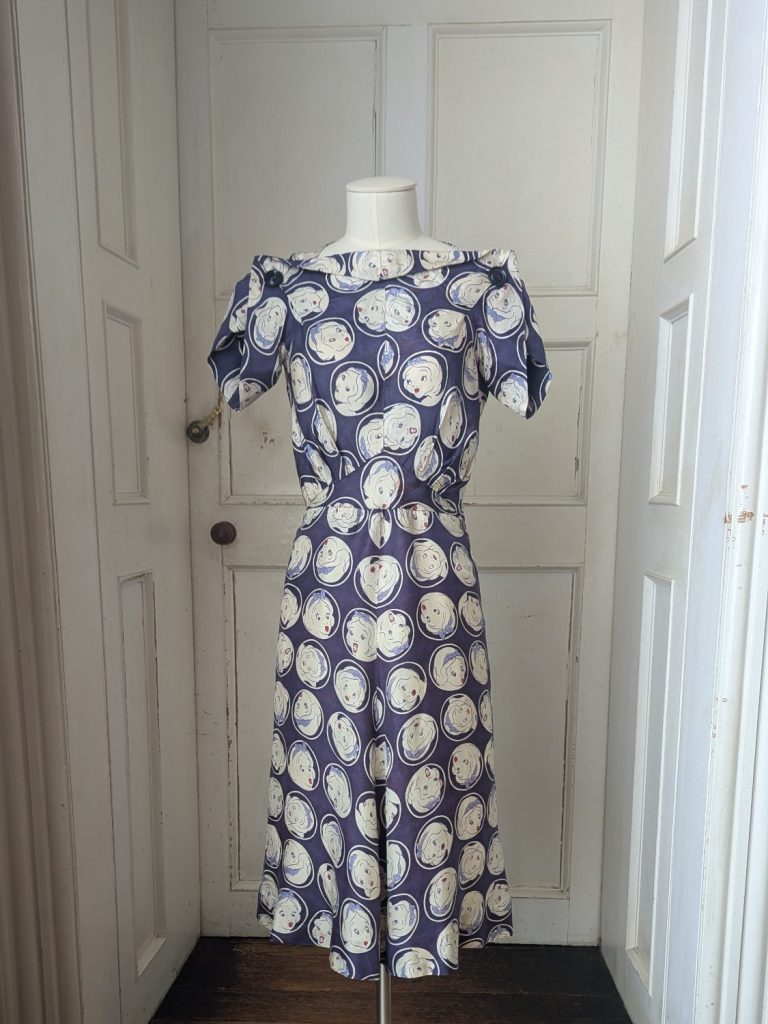
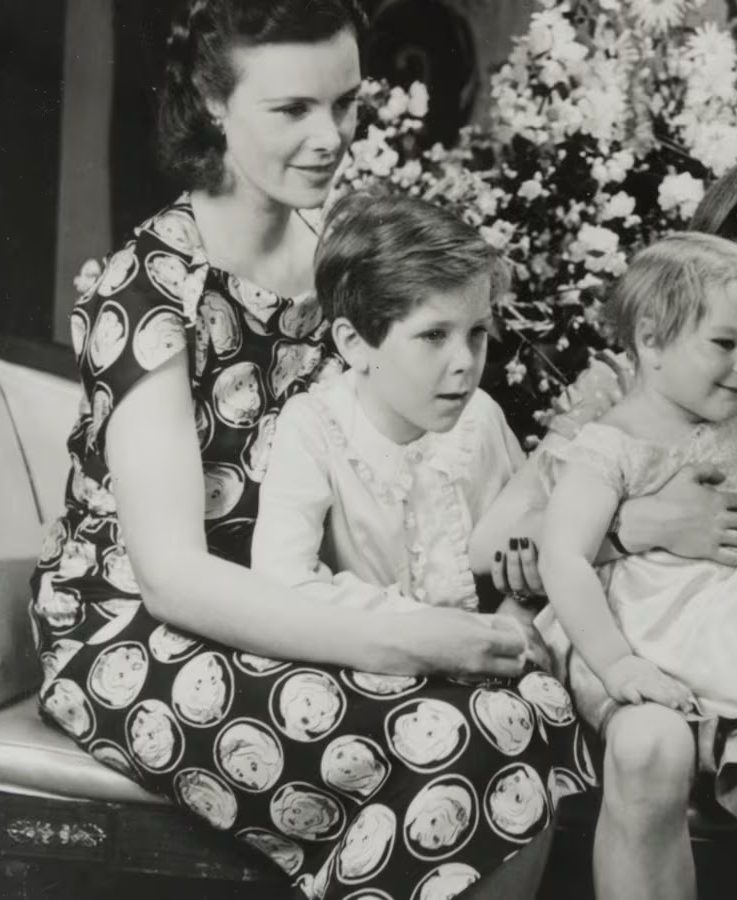
The Snow White dress (above) raises several questions. Its printed imagery draws on the popular visual culture surrounding Disney’s Snow White and the Seven Dwarfs, bringing commercial illustration into the context of fashionable daywear. It was also a beloved piece in Anne's wardrobe, and she is photographed twice in it; one is below.
The dress is also a useful case study in the interpretation of historical garments. Its attribution to Charles James requires careful consideration of the surviving evidence, including its textile, construction and relationship to other contemporary material. Rather than treating attribution as a settled fact, my research considers how different forms of evidence can support, complicate or challenge an existing identification.
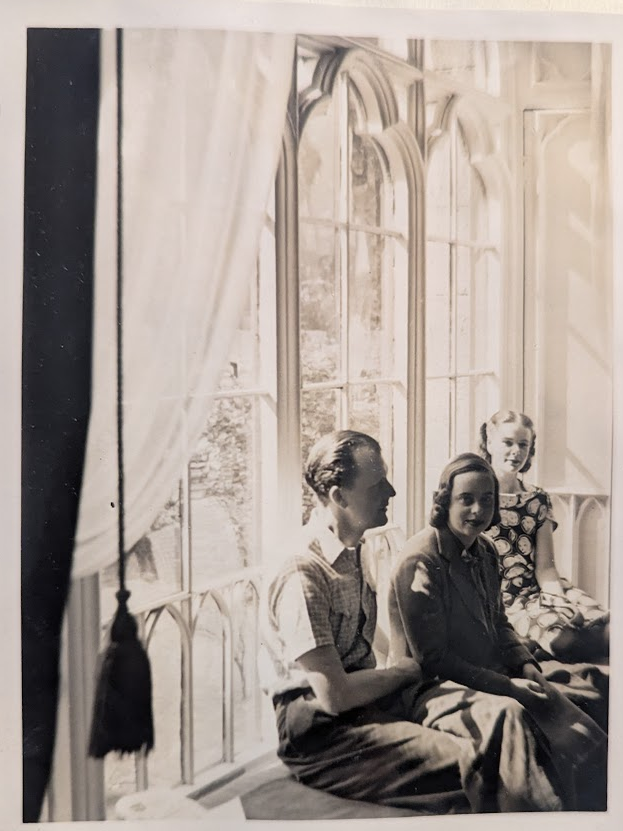
Among the most distinctive garments in the Birr Castle Fashion and Textile Archive is a group of dresses associated with the American-born British designer Charles James. Dating from the 1930s, these garments offer an opportunity to explore his work through the material evidence of the clothes themselves, while considering the wider artistic and commercial cultures in which they were made and worn.
My research focuses particularly on the relationship between textile and construction: how patterns interact with a dress's form, how printed imagery shapes its appearance, and what surviving garments can reveal about the design process. The collection also raises questions of attribution and provenance, reminding us that the history of a garment is not always as straightforward as its label or accompanying story might suggest.
Together, the Cocteau and Snow White dresses demonstrate the variety of visual references that could find their way into fashionable clothing during the 1930s. One is associated with an artistic figure and a network of creative relationships; the other draws on popular imagery and commercial design. Both invite us to look beyond the silhouette of a dress to the patterns, materials and cultural references that give it meaning.
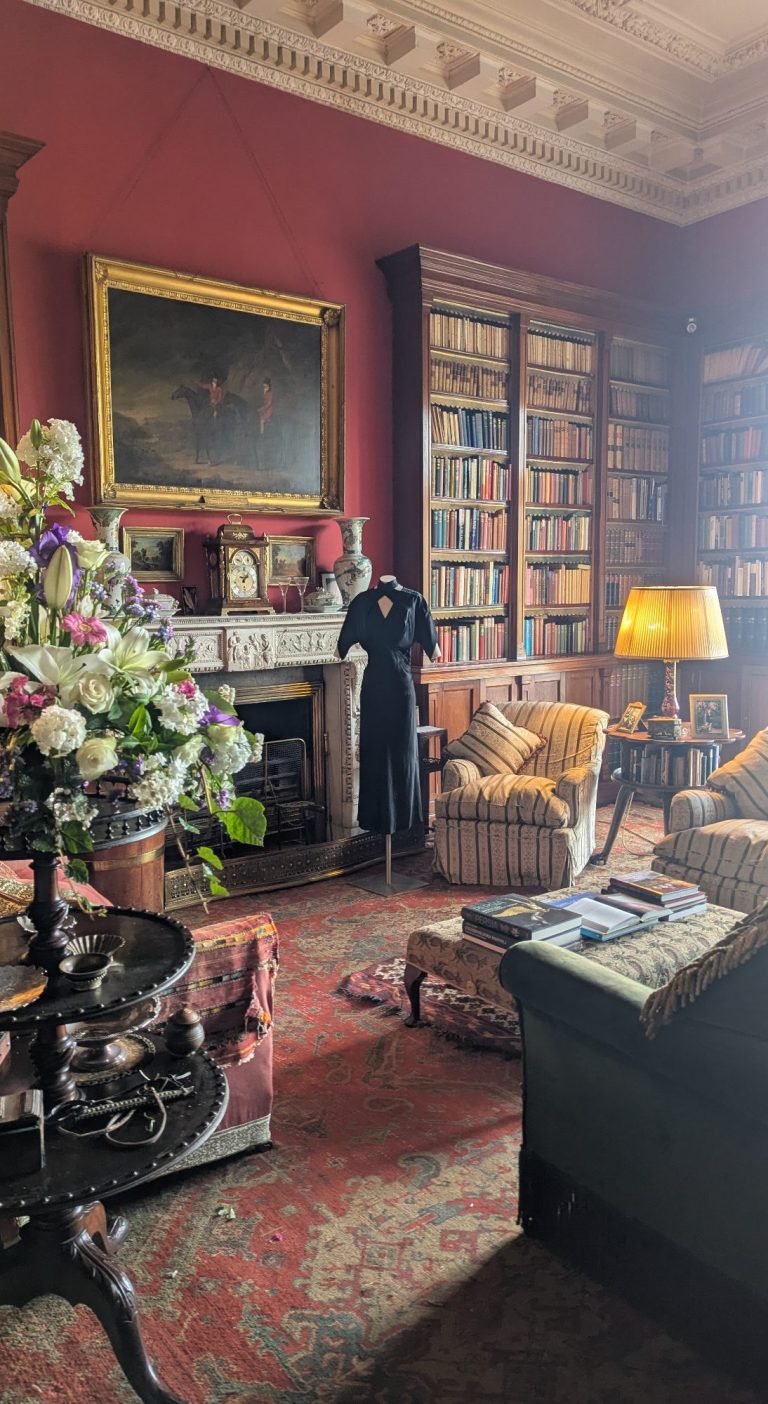
My research into Anne Rosse's archive culminated in An Afternoon of Fashion, a series of guided tours that brought seven dresses associated with Charles James into the reception rooms of Birr Castle.
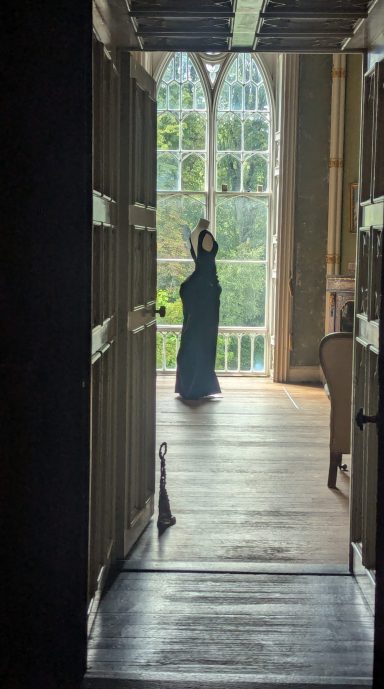
The dresses offered an opportunity to explore James’s approach to design, the relationship between textile and construction, and the place of these garments within the wider history of Anne, Countess of Rosse’s wardrobe. Rather than presenting the dresses in a conventional exhibition setting, they were displayed throughout the castle’s historic reception rooms, allowing visitors to encounter the garments within the domestic interiors for which the house is known.
Each room provided a different context for the collection, connecting the dresses to the architecture, decorative schemes and history of the castle. The display encouraged visitors to consider fashion as part of the lived environment in which clothing was worn, remembered and preserved.
The project brought together archival research, object interpretation and public engagement. It provided an opportunity to share the findings of my research with visitors while drawing attention to the wider Birr Castle Fashion and Textile Archive and its significance as a resource for the study of dress history.
The project demonstrated the value of bringing historical garments out of storage and into conversation with the spaces, photographs and personal histories that surround them. It was an opportunity to translate detailed research into an accessible experience, inviting visitors to look closely at the dresses and to consider the stories they continue to tell.
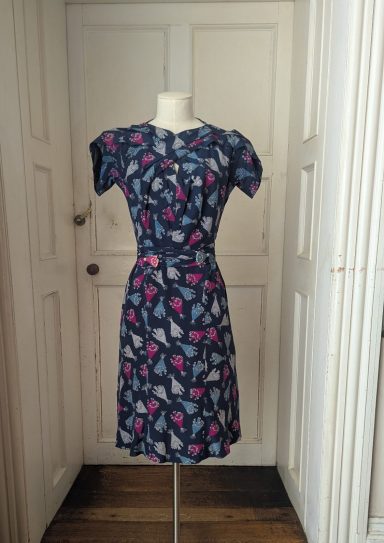
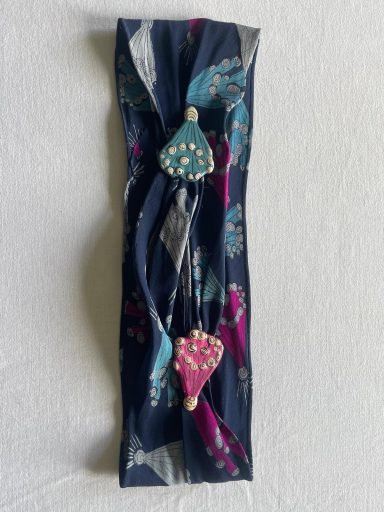
The Cocteau dress (above) offers a compelling example of the relationship between fashion and artistic collaboration. Its printed textile bears Jean Cocteau’s signature, while the handmade, hand-painted belt buckle may possibly be the work of Anne’s brother, the theatrical designer Oliver Messel. These details situate the garment within a wider network of artistic relationships, in which clothing could become a meeting point for textile design, illustration and theatrical imagination.
The dress is particularly revealing when considered as a complete object. Its textile, construction and accessories work together to produce an effect that cannot be understood through the printed pattern alone. Examining these elements alongside related documentary and visual evidence allows the garment to be considered within the broader creative world of the 1930s.
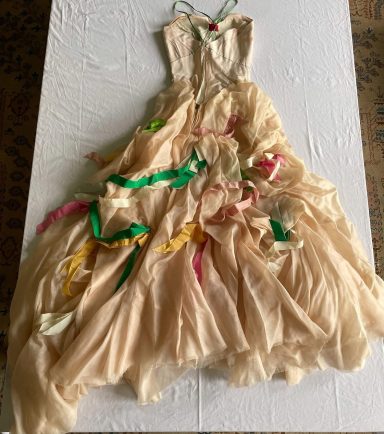
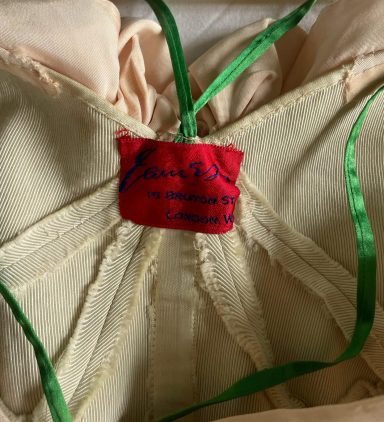
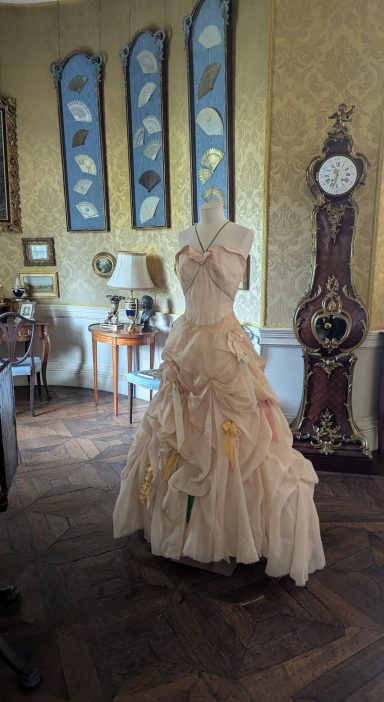
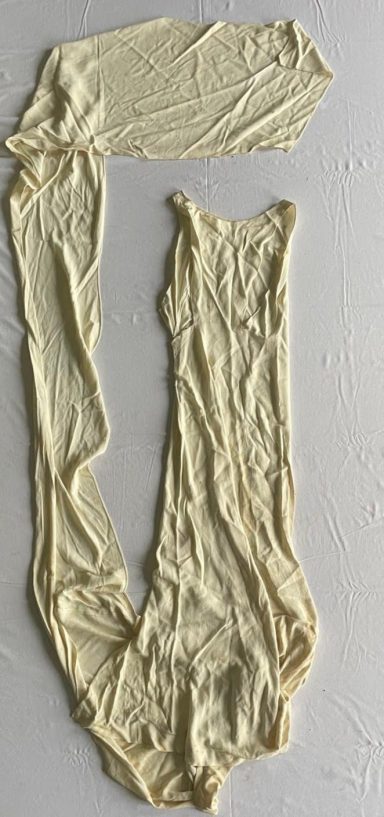
These garments form part of a wider investigation into how historical dress can be interpreted through material and archival research. Close examination of textile, construction and surviving details can be combined with photographs, documentary records and comparative examples to develop a fuller understanding of an object.
The process also requires an awareness of uncertainty. A garment may preserve physical evidence that is absent from the written record, while a personal recollection or later attribution may introduce questions that the object alone cannot resolve. By bringing these sources together, my research explores not only what can be established about a garment, but also how its history has been recorded and understood.
The Charles James dresses at Birr Castle therefore offer more than an opportunity to study an individual designer. They demonstrate how clothing can connect material craftsmanship with wider visual culture, and how careful examination of a personal collection can reveal new questions about fashion history.